











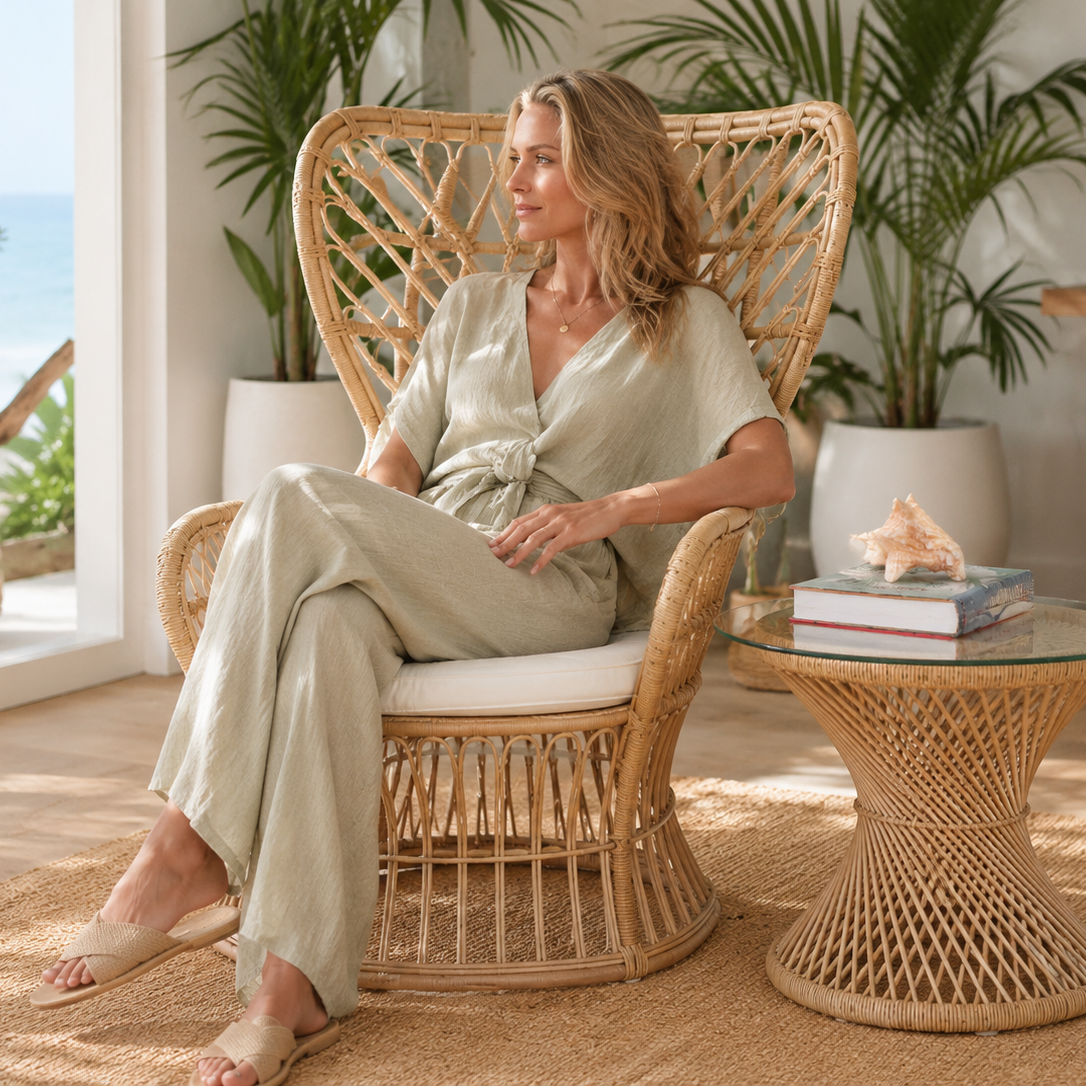

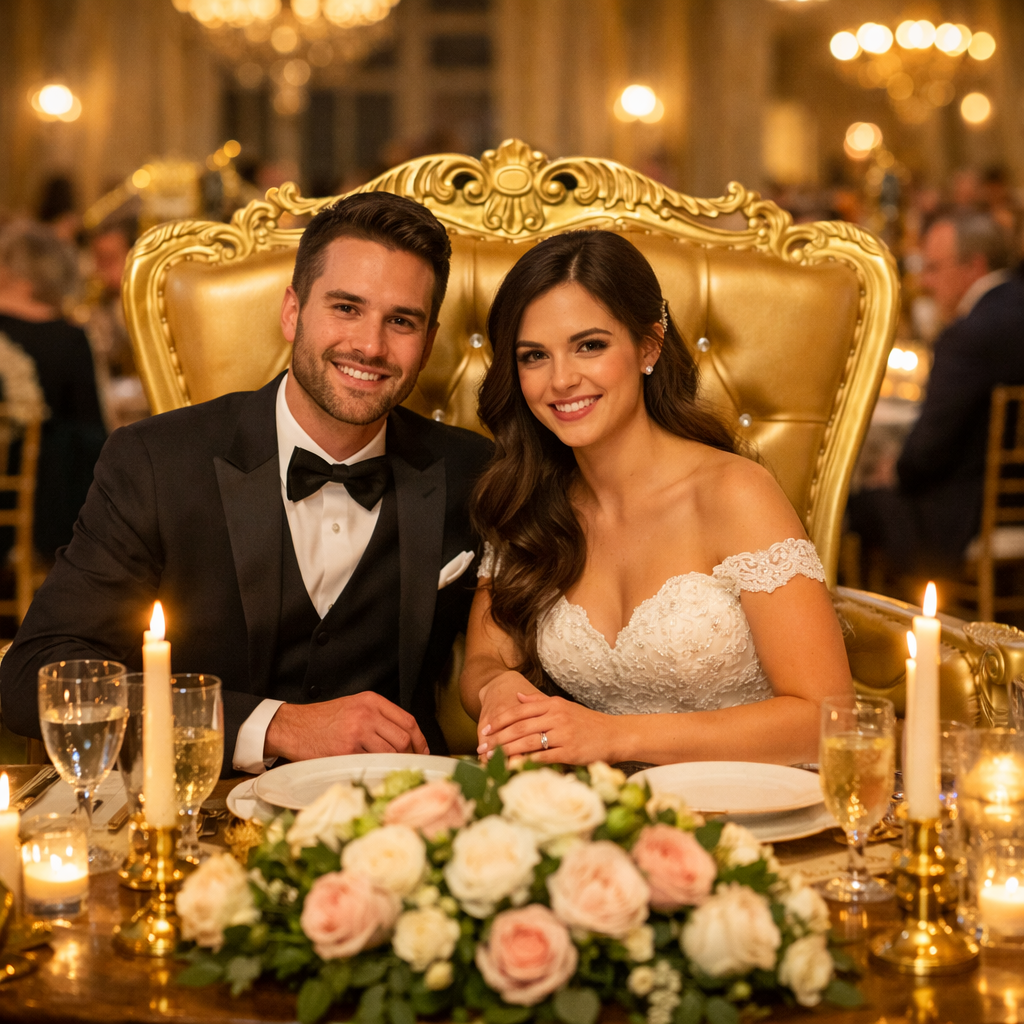

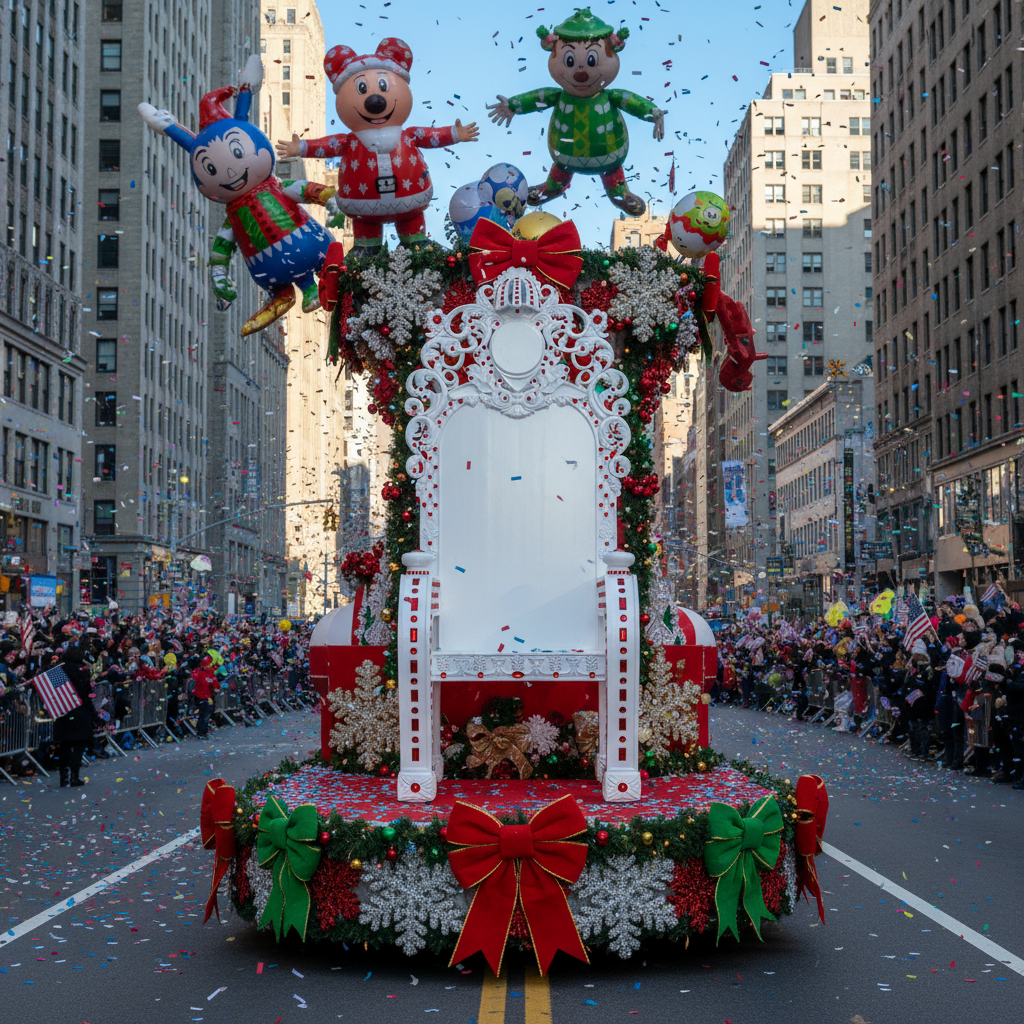

Botanical gardens and arboretums are designed around discovery. Visitors move from one landscape to another, following garden paths, entering courtyards, passing through rose gardens, and stopping beneath mature trees or beside seasonal displays.
The strongest public gardens give visitors more than beautiful planting. They create recognizable moments within the grounds — places people remember, photograph, return to, and tell others about.
That is where distinctive garden thrones and statement benches can play a different role from ordinary outdoor furniture.
Instead of simply providing another place to sit, a sculptural piece can become a destination within the destination: a garden landmark that helps define the visitor experience.
Why Botanical Gardens Need Memorable Visitor Landmarks
Visitors may appreciate hundreds of plants during a day at a botanical garden, but certain locations naturally become the moments they remember most.
It might be a rose arbor in full bloom, a dramatic conservatory entrance, a reflection pond, a flowering walkway, or an unusual piece of seating framed by the landscape.
A memorable focal point gives visitors a reason to stop rather than simply continue along the path.
Well-positioned statement seating can help create:
- A recognizable photo location
- A destination at the end of a garden path
- A focal point within a large lawn or courtyard
- A resting place that feels intentional
- A seasonal attraction
- A backdrop for member and donor experiences
- A recognizable feature visitors associate with the garden
For public gardens with expansive grounds, these landmarks can also help give individual areas their own identity.
More Than Ordinary Outdoor Seating
Standard benches are important in public gardens. Visitors need practical places to rest, wait, talk, and enjoy the landscape.
But not every piece of furniture needs to serve exactly the same purpose.
A statement throne or sculptural garden bench can be used selectively in locations where the garden wants to create stronger visual impact.
This makes it possible to combine understated everyday seating throughout the grounds with a smaller number of pieces intended to become recognizable destinations.
The distinction matters because highly visible garden locations often appear repeatedly in visitor photography, social media posts, wedding portraits, event photography, and promotional images.
Create a Natural Photo Landmark

Photography has become part of how visitors experience public gardens.
A thoughtfully placed throne or decorative bench gives guests a natural location to stop, sit, pose, and frame the surrounding landscape.
The goal is not to create something that feels disconnected from the garden. The strongest installations use the existing landscape as part of the composition.
Consider locations such as:
- The entrance or central garden axis
- A rose garden or flowering arbor
- A conservatory courtyard
- A formal garden
- A woodland path
- A pond or water feature
- A sculpture garden
- A scenic overlook
When furniture, planting, architecture, and sightlines work together, the seating can feel like a permanent part of the garden rather than an object added afterward.
Use Statement Seating to Give Garden Areas Their Own Identity
Large botanical gardens frequently contain several distinct environments.
A formal garden may feel completely different from a woodland walk, tropical conservatory, children's garden, or quiet meditation space.
Statement seating can reinforce those differences.
For example, a garden might use:
- A regal throne in a formal garden or grand entrance
- A nature-inspired throne along a woodland trail
- A decorative bench in a rose garden
- A sculptural seat near a conservatory courtyard
- A distinctive bench overlooking a pond or landscaped vista
The objective is not to place ornate furniture everywhere.
One strong piece in the right location can create more impact than several decorative objects competing for attention.
Think About Visitor Photography Before Choosing Placement
A beautiful piece of furniture can still underperform if the background is wrong.
Before selecting a permanent location, stand where a visitor or photographer is likely to stand and look through a phone camera.
Ask:
- Does the background showcase the garden?
- Are utility areas or service equipment visible?
- Is there enough room for visitors to step back and take photographs?
- Can the piece be photographed from several angles?
- Will other guests constantly walk through the frame?
- Does the location receive attractive natural light?
Even a small change in placement can significantly improve the usefulness of a garden photo location.
Build Seasonal Programming Around a Permanent Landmark

One advantage of permanent statement seating is that the surrounding environment can change while the landmark remains recognizable.
Gardens can adapt the area throughout the year using planting, lighting, textiles, or temporary décor.
For example:
- Spring flowering displays
- Summer garden photography
- Autumn foliage installations
- Holiday lighting events
- Member preview nights
- Fundraising events
- Wedding and proposal photography
Visitors begin to recognize the location even as the surrounding landscape changes from season to season.
That continuity can help transform one seating installation into an ongoing part of the garden's visual identity.
Support Proposals, Weddings and Special Garden Moments
Botanical gardens and arboretums are naturally associated with milestone photography.
Couples use gardens for proposals, engagement sessions, elopements, wedding portraits, anniversary photographs, and family celebrations.
A distinctive throne or bench can provide a permanent portrait setting without requiring the garden to build a temporary backdrop for every occasion.
A rose garden, mature tree, stone wall, fountain, conservatory, or flowering border can provide the surrounding scenery while the seating gives the composition a clear focal point.
Create Member and Donor Experiences
Statement seating can also support programming beyond everyday admission.
Gardens can incorporate a recognizable photo location into member events, fundraising evenings, donor receptions, seasonal previews, and special programming.
A landmark that regular visitors already recognize can feel especially valuable when incorporated into an exclusive experience.
This gives the furniture a role in both the physical landscape and the broader relationship between the garden and its supporters.
Choose Scale to Match the Garden
Scale matters in outdoor environments.
A piece that feels substantial indoors may appear small when placed beside mature trees, broad lawns, large architectural features, or expansive conservatory spaces.
Conversely, an oversized throne may feel unnecessary in an intimate reading garden or narrow pathway.
Before selecting a piece, consider:
- The width and openness of the location
- Nearby architectural features
- The height of surrounding planting
- Expected visitor traffic
- How many people may use the seating at once
- Whether the location is primarily for resting or photography
Matching the scale of the seating to the landscape helps the installation feel intentional.
Plan for Long-Term Outdoor Placement
Any furniture installed on public grounds should be considered as part of the garden's wider maintenance plan.
Grounds teams should think about access, cleaning, drainage, seasonal conditions, nearby irrigation, landscaping changes, and how the surrounding planting may grow over time.
Periodic inspections can also help ensure that a statement piece continues to look appropriate in a highly visible visitor location.
The objective is to treat the seating as part of the landscape rather than as a temporary decorative prop.
Make the Landmark Easy to Discover
A photo landmark works best when visitors naturally encounter it.
Placing the piece along an established visitor route often works better than hiding it in an area guests rarely explore.
Strong locations might include the end of an important walkway, the transition between two gardens, a courtyard immediately outside a conservatory, or an open area framed by recognizable planting.
Gardens can also incorporate the landmark into maps, seasonal programming, member communications, or social content when appropriate.
Garden Furniture Can Become Part of the Visitor Experience
The most successful public-garden furniture does more than occupy space.
It contributes to the way people experience the landscape.
A statement throne might become a child's favorite stop during a family visit, a couple's proposal location, a member's annual photo tradition, or the image a first-time visitor shares after leaving the garden.
Over time, that repeated interaction can turn an individual piece of furniture into a recognizable part of the property.
That is the value of creating a landmark rather than simply adding another seat.

Planning a Statement Seating Installation for Your Garden?
Throne Kingdom's Signature Garden Thrones collection includes statement thrones and benches designed for distinctive outdoor environments.
Botanical gardens, arboretums, conservatories, and public grounds can use statement seating to create visitor photo landmarks, garden destinations, seasonal displays, and recognizable gathering spaces.
Explore the dedicated Garden Thrones for Public Gardens & Arboretums page for ideas on placement, use cases, and institutional purchasing.
Explore Signature Garden Thrones →
Planning a project for a botanical garden, arboretum, conservatory, or public landscape? Request an Institutional Quote →